
Sardines Nutrition
Sardines Nutrition Facts: Protein, Calories & Omega-3s
Per 100g, canned sardines provide 24.6g of protein, 382mg of calcium (with the bones), and 8.9mcg of vitamin B12. Here are the full facts, the mercury guidance, and how to eat them well.
🐟 See the Facts 🥚 Protein Calculator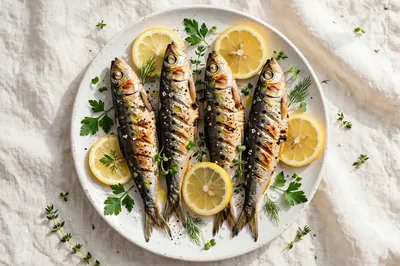
Sardines nutrition per 100g (canned in oil, drained, with bones): 24.6g protein, 382mg calcium, and 8.9mcg vitamin B12, plus about 4.8mcg vitamin D (24% DV) and roughly 1.4g of omega-3 fatty acids. Sardines are generally a low-mercury fish and can be an affordable source of protein and omega-3s. Values vary by product, packing liquid, and drained weight; a 100g serving is not necessarily one whole can.
Full Sardines Nutrition Facts (USDA, per 100g canned in oil, drained)
| Nutrient | Amount |
|---|---|
| Calories | ~208 kcal |
| Protein | 24.6g |
| Fat | ~11.5g |
| Omega-3 fatty acids | ~1.4g |
| Calcium (with bones) | 382mg (29% DV) |
| Vitamin D | ~4.8mcg (24% DV) |
| Vitamin B12 | 8.9mcg (371% DV) |
| Selenium | ~52mcg |
| Iron | ~2.9mg |
| Phosphorus | ~490mg |
USDA FoodData Central, sardines canned in oil, drained solids with bone. Compared with canned tuna, sardines can provide more calcium when their edible bones are eaten, and they are a useful omega-3 source. Nutrient levels, mercury content, and cost vary by species and product.
Sardines vs Tuna vs Salmon
Sardines, canned light tuna, and salmon are all useful protein sources. Sardines stand out for calcium when the edible bones are included; their omega-3 content and vitamin levels vary by species and product. Salmon generally provides more EPA and DHA per 100g, while canned tuna varies widely (light vs albacore differ in mercury and nutrition).
Compare foods using the same preparation state and serving weight, and check current local prices before making cost comparisons. Tuna may be preferable if you want a milder flavor.
Why Sardines Are Low in Mercury
Mercury accumulates up the food chain, so large, long-lived predators concentrate more of it; small, short-lived sardines accumulate far less. Sardines are classified as a “Best Choices” fish in FDA/EPA guidance because they are low in mercury relative to many other fish.
People who are pregnant, breastfeeding, or may become pregnant can include properly cooked sardines as part of the recommended 2–3 weekly servings (8–12 ounces total) of a variety of lower-mercury fish. Follow current FDA/EPA advice, and avoid raw or undercooked fish during pregnancy.
How to Eat Sardines (Beyond the Can)
Taste varies with the fish, packing liquid, seasonings, and brand; try a couple of brands to find one you like.

In Oil vs In Water
Sardines packed in oil may provide more calories than water-packed sardines, depending on the product and how thoroughly they are drained. Do not assume oil-packed sardines contain more omega-3s: some omega-3 fatty acids move into the packing oil, which is discarded when drained. Compare nutrition labels for the drained serving weight, calories, and fat, and pick by taste and your calorie goals.
For Weight Loss
Sardines provide protein and omega-3 fatty acids and can fit into a weight-loss eating plan. Calories depend on the product, drained weight, and added ingredients. Water-packed sardines with salad and a measured dressing can make a protein-rich meal; calculate its calories from the actual portions.
For Weight Gain
Sardines on toast with avocado can make a convenient, energy-dense meal. Total calories and protein depend on the quantities of sardines, bread, avocado, and retained oil, so estimate from your actual serving weights and labels. Mashing with mustard tames the strong flavor.
For Muscle Building
Sardines provide complete protein (all nine essential amino acids) along with omega-3 fatty acids, vitamin B12, and vitamin D, and can help you meet daily protein needs as part of a balanced diet. B12 supports normal nerve function and red blood cell formation, and vitamin D helps the body absorb calcium and supports bone and muscle function; eating more of them does not automatically improve energy or recovery. Check the drained weight and label to calculate protein per serving, and pair adequate protein with progressive training and sufficient energy.
Buying and Storage
- Buying: choose a product you enjoy and compare ingredients, sodium, drained weight, and the nutrition label. Olive oil, water, and tomato sauce are all possible packing options. If you prefer BPA-free packaging or have sustainability concerns, look for verifiable manufacturer information for that product and fishery.
- Sustainability: sardines can be a sustainable choice, but it varies by fishery. Check current stock assessments and reputable seafood guidance for the species and region on the package.
- Storage: store unopened cans in a cool, dry place and follow the package’s best-before guidance. After opening, refrigerate promptly in a covered food-safe container and follow the manufacturer’s instructions.
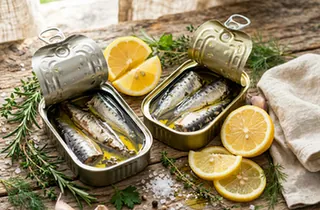
Frequently Asked Questions
How much protein is in sardines?
24.6g per 100g of canned sardines in oil, drained, with bones (USDA). Protein per can depends on the drained weight on the package.
Are sardines high in mercury?
No. Sardines are a “Best Choices” fish in FDA/EPA guidance because they are low in mercury relative to many fish. Follow the recommended weekly servings of a variety of lower-mercury fish rather than treating any fish as mercury-free.
Are the bones safe to eat?
The small bones in canned sardines are usually softened during processing and are generally edible. They contribute substantially to the calcium content when eaten. Calcium varies by product, so check the label.
Sardines vs tuna: which is healthier?
Sardines can provide more calcium (with bones) and are a useful omega-3 source, with lower mercury than most tuna. Nutrient levels and cost vary by species and product; compare equivalent serving weights. Tuna may suit you if you want a milder flavor.
Can I eat sardines every day?
Sardines can be part of a balanced diet, but there is no single ideal number of cans for everyone. Consider portion size, sodium, your overall diet, and the product label. Vary your seafood choices and follow current fish-consumption guidance.
Do sardines smell bad?
Taste and smell vary with the fish, packing liquid, seasonings, and brand. Many people find olive-oil-packed sardines from a brand they like perfectly pleasant.
Are sardines sustainable?
They can be, but sustainability varies by fishery. Check current stock assessments and reputable seafood sustainability guidance for the species and region listed on the package.
Sources
- USDA FoodData Central (sardines, canned in oil, drained solids with bone).
- FDA/EPA advice on eating fish, including the “Best Choices” category and pregnancy guidance.
- American Heart Association fish intake recommendations.
This article is for general information only, not medical advice.