Chickpeas Protein
Chickpeas Protein and Nutrition: 15g Per Cup + Hummus Facts
Chickpeas provide about 9g of protein per 100g cooked, 15g per cup, with roughly 12.5g of fiber per cup. Here are the full facts, the honest hummus breakdown, and how chickpeas fit weight loss, weight gain, and muscle building.
🫘 See the Facts 🥗 Healthy Foods List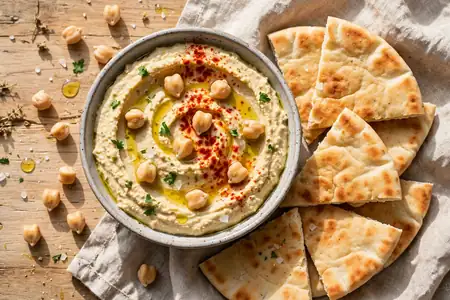
Chickpeas provide about 9g of protein per 100g cooked (15g per cup), with approximately 12.5g of fiber and 269 calories per 164g cup. They are the backbone of hummus, falafel, and chana masala, are rich in folate (about 282mcg per cup) and manganese (about 1.7mg per cup), and are cheap, vegan, and endlessly versatile.
Full Chickpeas Nutrition Facts (USDA, per 100g cooked)
| Nutrient | Amount |
|---|---|
| Calories | 164 kcal |
| Protein | 9g |
| Carbs | 27g |
| Fiber | 7.6g |
| Fat | 2.6g |
| Folate | 172mcg |
| Iron | 2.9mg |
| Magnesium | 48mg |
| Manganese | 1mg |
| Zinc | 1.5mg |
USDA FoodData Central, cooked chickpeas. Kabuli (large, cream-colored) is the common type; desi (smaller, darker) has somewhat more fiber and a nuttier taste.
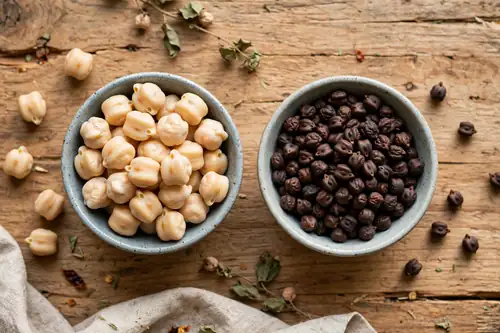
Chickpeas vs Lentils vs Black Beans (per cup cooked)
| Per cup cooked | Chickpeas | Lentils | Black beans |
|---|---|---|---|
| Protein | ~15g | ~18g | ~15g |
| Calories | ~269 | ~230 | ~225 |
| Fiber | ~12.5g | ~15g | ~15g |
Values vary by variety and preparation. Chickpeas provide substantial fiber and protein and work in a wide range of dishes, from hummus and falafel to curries, salads, and roasted snacks; few legumes are as versatile.
Hummus: The Honest Breakdown
A typical 2-tablespoon serving of hummus provides about 50–80 calories, 1–2g of protein, and varying amounts of fat and fiber, depending on the recipe or brand. Chickpeas provide the base, while tahini and any added olive oil contribute much of the fat.
Hummus can be a nutritious dip, but it is generally less protein-dense than whole chickpeas. For protein, eat chickpeas whole (curries, salads, roasted) rather than relying on hummus; its nutrition depends on the amounts of tahini, oil, and chickpeas in the recipe.
Cooking Chickpeas: Dry vs Canned
Roasted Chickpeas: The Crunchy Snack
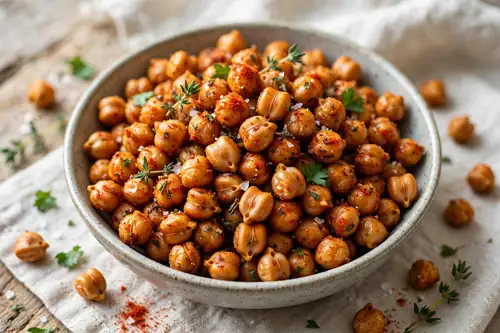
Toss cooked, well-drained chickpeas with a little olive oil, salt, paprika, and cumin. Roast at 400°F (200°C) until crisp, checking regularly; timing varies with moisture and oven conditions. Protein, fiber, and calories per cup depend on the final serving weight and added oil. Store in an airtight container, noting that crispness may decline during storage.
For Weight Loss
Chickpeas can fit into a weight-loss eating plan because they provide protein and fiber: a cooked cup has about 15g of protein, 12.5g of fiber, and 269 calories. Research on pulses, including chickpeas, suggests they may improve short-term fullness, while longer-term weight effects are modest and depend on the overall diet. Hummus with vegetables can make a convenient snack; for a snack near 200 calories, measure the hummus and account for the vegetables and any added ingredients.
For Weight Gain
Chana masala with rice and a little ghee can make a calorie-dense meal. Total calories and protein depend on the serving sizes and recipe; calculate them from the ingredients used. Adding oil or ghee increases calories, while chickpeas and rice contribute carbohydrates and protein.
For Muscle Building
A cooked cup of chickpeas provides about 15g of protein. Chickpeas contain all nine essential amino acids but are relatively low in methionine. Eating a varied diet that includes legumes and grains can help provide a balanced mix of essential amino acids; they do not have to be combined in the same meal. The protein in chana masala with rice depends on the recipe and portion sizes.
Buying and Storage
- Dry vs canned: dried chickpeas are often less expensive per cooked serving, but the difference depends on local prices and cooking yield. Canned chickpeas cost more in some markets but save preparation time.
- Storage: keep dried chickpeas in a cool, dry place in a sealed container. Refrigerate cooked chickpeas promptly in a covered container and use within 3–4 days, or freeze in portions for longer.
- Chickpea flour (besan): a useful base for flatbreads and pakoras; its protein content varies by product, so check the package label.
Frequently Asked Questions
How much protein is in chickpeas?
About 9g per 100g cooked, 15g per cup: solid for a plant food, though lentils edge it out per cup.
Are chickpeas a complete protein?
Chickpeas contain all nine essential amino acids but are relatively low in methionine. Eating a variety of protein sources, including legumes and grains, across the day can help meet essential amino acid needs.
Are chickpeas good for weight loss?
They can fit into a weight-loss plan because they provide protein and fiber. Research on pulses suggests possible benefits for short-term fullness, but weight outcomes depend on overall intake and dietary patterns.
Is hummus healthy?
Hummus can be a nutritious dip made from chickpeas, often with tahini and sometimes olive oil. Its protein, fat, fiber, and calories depend on the recipe or brand; two tablespoons commonly provide around 1–2g of protein.
Do chickpeas cause gas?
They can cause gas or bloating in some people because they contain fermentable carbohydrates and fiber. Rinsing canned chickpeas and cooking dried ones until tender may help. Start with a comfortable portion and increase gradually if tolerated.
Canned vs dry chickpeas?
Both can provide similar protein at the same cooked serving weight. Dried chickpeas need soaking and cooking; canned are ready after draining and rinsing. Sodium content and cost vary by product.
Can I eat chickpeas every day?
Chickpeas can be part of a varied diet, including when eaten regularly. Portions and tolerance vary, so rotate foods according to your preferences and needs.
Sources
- USDA FoodData Central (cooked chickpea entry used for the tables above).
- Published research on pulses, satiety, and body weight: findings suggest potential benefits for short-term fullness and modest weight effects, and do not establish that chickpeas alone cause weight loss.
This article is for general information only, not medical advice.