Black Beans Nutrition
Black Beans Nutrition: Protein, Fiber & Health Benefits
One cup of cooked black beans provides about 15g of protein and 15g of fiber for 227 calories. Here are the full facts, how they compare with other beans, and how to cook them for any goal.
🫘 See the Facts 🥗 Healthy Foods List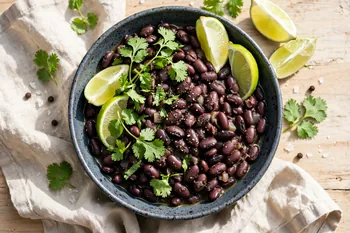
One cup (172g) of cooked black beans provides approximately 227 calories, 15g of protein, and 15g of dietary fiber. Black beans are a versatile source of plant protein, fiber, folate, magnesium, and other nutrients, and their dark color comes partly from anthocyanins, a group of plant pigments also found in blueberries and black rice. Dry beans can be an economical option; canned beans offer convenience.
Full Black Beans Nutrition Facts (USDA, per 100g cooked)
| Nutrient | Amount |
|---|---|
| Calories | 132 kcal |
| Protein | 8.9g |
| Carbs | 24g |
| Fiber | 8.7g |
| Fat | 0.5g |
| Folate | 149mcg |
| Magnesium | 70mg |
| Iron | 2.1mg |
| Potassium | 355mg |
| Zinc | 1.1mg |
USDA FoodData Central, cooked black beans. A 172g cup provides approximately 1.72 times these amounts (about 15g protein, 15g fiber, 256mcg folate, 120mg magnesium, 3.6mg iron per cup). Values may vary by preparation. The dark seed coat contains anthocyanins and other plant compounds; different bean varieties have different phytochemical profiles, so color alone does not determine overall nutritional value.
Black Beans vs Other Beans (per cup cooked)
| Per cup cooked | Black beans | Kidney beans | Pinto beans |
|---|---|---|---|
| Protein | ~15g | ~13g | ~15g |
| Calories | ~227 | ~215 | ~245 |
| Fiber | ~15g | ~13g | ~15g |
| Folate | ~64% DV | ~58% DV | ~74% DV |
Approximate values; serving weights and nutrient amounts vary by variety and preparation. Black beans are notable for their dark pigment and anthocyanin content; pinto and kidney beans also contain beneficial plant compounds, in different types and amounts. Rotate them: variety covers all bases.
The Anthocyanin Question
Black beans contain anthocyanins, a type of plant pigment with antioxidant activity, also found in foods such as blueberries and black rice; the types and amounts vary among foods. Researchers study these compounds for their potential effects on health, but more human research is needed to establish the specific benefits of eating black beans. Choose among beans based on taste, nutrition needs, cost, and how you plan to use them.
Cooking Black Beans
For Weight Loss
Black beans can fit a weight-loss plan because they provide protein and fiber for about 227 calories per cooked cup. Protein and fiber can help support fullness, although individual responses vary. Beans can be part of a dietary pattern associated with healthy weight management, but black beans alone do not guarantee weight loss. For a satisfying soup dinner, combine them with vegetables and other ingredients in portions that fit your energy needs.
For Weight Gain
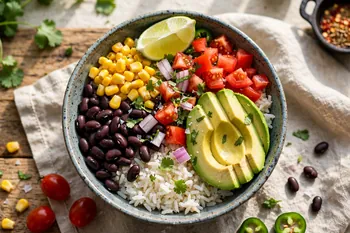
Rice, black beans, cheese, sour cream, and guacamole can make a calorie-dense burrito bowl. Actual calories and protein depend on portion sizes and ingredients, so calculate the totals for your recipe. Include meals and snacks that consistently meet your energy and protein needs.
For Muscle Building
One cooked cup of black beans provides approximately 15g of protein. Pairing beans with rice adds protein from both foods and provides a broader mix of essential amino acids; two cups of beans alone supply about 30g of protein. Muscle growth depends on adequate total protein, energy intake, and resistance training. Costs vary by location and brand.
Buying and Storage
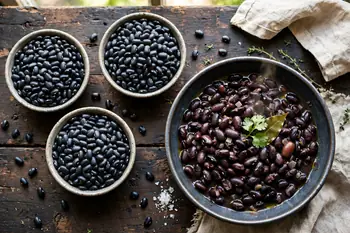
- Dry vs canned: dry beans are often less expensive per cooked serving; canned beans save preparation time. Compare current prices and yields for your budget.
- Storage: keep dry beans in a cool, dry place in a sealed container. Refrigerate cooked beans promptly and use within 3–4 days, or freeze for best quality within about 3 months. Discard beans showing signs of spoilage.
- Gas: beans contain carbohydrates that gut bacteria ferment. Smaller portions increased gradually can help; soaking and discarding the soaking water may reduce some gas-producing carbohydrates, and draining and rinsing canned beans may also help. Responses vary.
Frequently Asked Questions
How much protein is in black beans?
One cooked cup (172g) provides approximately 15g of protein, or about 8.9g per 100g. Black beans are a useful source of plant protein and pair well with other foods across the day.
Are black beans good for weight loss?
They can be a helpful choice: a cooked cup provides about 15g of protein and 15g of fiber for approximately 227 calories. These nutrients can support fullness, but weight change depends on your overall eating pattern, energy intake, and activity.
Black beans vs pinto beans?
Both are nutritious. Black beans are notable for anthocyanins in their dark skins; pinto beans provide somewhat more folate per cup. Rotate them for variety.
Do black beans cause gas?
They can, because gut bacteria ferment some bean carbohydrates. Try smaller portions and increase gradually; soaking and discarding the soak water, and rinsing canned beans, may help. Individual responses vary.
Are canned black beans healthy?
Yes, canned black beans can be a nutritious, convenient option. Sodium varies by brand, so check the label and choose lower-sodium varieties when available; draining and rinsing reduces some sodium.
Can I eat black beans every day?
For many people, black beans can be part of a healthy diet eaten regularly. Include a variety of foods, and adjust portions to your tolerance and overall pattern.
What are the black skins good for?
They contain anthocyanins and other plant compounds. Rinsing canned beans briefly is fine; you do not need to scrub the skins.
Sources
- USDA FoodData Central (cooked black bean entries).
- Research on beans, satiety, and cardiometabolic health; research on anthocyanin-containing foods.
Nutrition values are approximate and refer to cooked servings; they vary by variety and preparation. This article is for general information only, not medical advice.