Green Tea for Weight Loss
Green Tea for Weight Loss: Does It Work? (Evidence Review)
Green tea is a calorie-free drink that may have a small effect on weight loss, but the evidence is mixed. Its clearest win is replacing sugary drinks. Here is what the research actually shows, including where the popular claims go too far.
🍵 See the Evidence 🔥 Calorie Calculator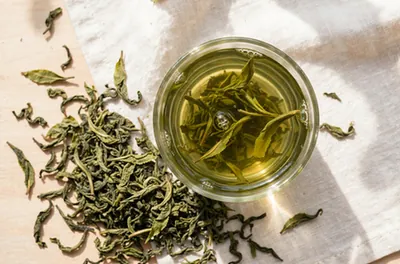
Green tea for weight loss works, at best, as a small nudge. A major Cochrane review of green tea preparations found no meaningful average weight-loss benefit in studies outside Japan, and results in Japanese studies varied too much to pool. Some other reviews report a small average benefit, but no reliable amount of extra weight loss can be promised. The dependable benefit is the swap: unsweetened green tea has almost no calories, so drinking it instead of soda or sweet coffee drinks cuts intake every day.
What the Evidence Actually Says
- Weight loss: Evidence is inconsistent. The Cochrane review found a pooled difference of about −0.04 kg over 12–13 weeks in studies outside Japan, which was not statistically significant and is too small to matter in practice. Japanese study results ranged widely and could not be combined reliably.
- The mechanism: Caffeine and green tea catechins may modestly influence energy expenditure and fat metabolism. Short-term studies of caffeine and catechin–caffeine mixtures reported increases of roughly 4–5% in energy expenditure under controlled conditions, but that does not prove a cup of brewed tea raises your daily burn by that amount. EGCG can inhibit the COMT enzyme in laboratory studies, which could slow norepinephrine breakdown, but how much this matters in humans is not established.
- Fat oxidation: Some studies report increased fat oxidation under specific conditions, including during exercise, but findings are inconsistent. Drinking green tea before a workout has not been shown to produce greater long-term fat loss.
- Who might notice more: People who normally consume little caffeine may respond more than heavy coffee drinkers, who develop tolerance. This is a pattern seen with caffeine generally, not a guarantee.
- What it is NOT: Not a fat burner. No tea overcomes a calorie surplus. At best, green tea for weight loss is a helpful habit around a real diet, not a replacement for one.
Bottom line: the drink-replacement effect (dropping a 140-calorie soda for a near-zero-calorie tea) matters more than any metabolism effect.
Matcha vs Green Tea vs Extracts
| Brewed green tea | Matcha | Extract pills | |
|---|---|---|---|
| EGCG per serving | Varies by tea and brewing | Varies by powder amount | Varies by product; can be very high |
| Caffeine | Typically ~30–50mg per cup | Often higher per serving; varies | Varies |
| Cost | Cheap | Higher | Medium |
| Safety | Generally safe in customary amounts | Generally safe as a beverage in customary amounts | Caution: liver-enzyme elevations seen at supplemental EGCG doses of 800mg/day or more (EFSA) |
| Best for | Daily habit | Taste and variety | Not recommended |
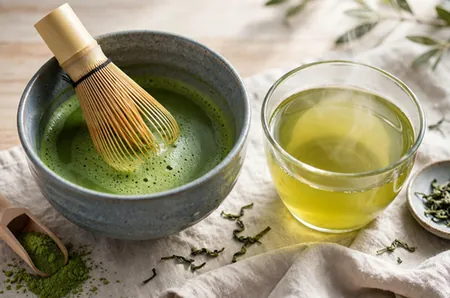
With matcha you consume the whole powdered leaf instead of only an infusion, so it can deliver more catechins per serving. But the amount varies a lot with the powder and serving size, so matcha cannot be assumed to provide a fixed multiple (such as 2–4x) of the EGCG in brewed tea, and it has not been shown to cause greater weight loss.
Concentrated extracts are a different category from the drink. EFSA found that supplemental EGCG at 800mg/day or more was associated with elevated liver enzymes, and it could not establish a universally safe supplement dose. That figure is not a guaranteed safety line below it. For weight-loss support, drink the tea and skip the pills.
How to Drink It
Green Tea vs Other “Weight Loss” Drinks
| Drink | Calories (unsweetened) | Evidence for fat loss | Verdict |
|---|---|---|---|
| Green tea | ~0 | Small and inconsistent | Good daily habit |
| Black coffee | ~2 | Similar (caffeine effect) | Equivalent, no catechins |
| Oolong tea | ~0 | Limited | Similar to green tea |
| Apple cider vinegar | ~3 | Weak | Skip |
| “Detox” teas | Varies | No proven fat-loss method; some contain stimulant laxatives or diuretics | Avoid rapid-weight-loss products |
Unsweetened green tea is a practical alternative to sugary drinks, but its direct effect on weight loss is uncertain. Be cautious with products marketed as detox or rapid-weight-loss teas, particularly those containing laxatives or diuretics. Coffee is equally fine; pick the drink you will actually have daily.
For Weight Gain
Unsweetened green tea provides very few calories, so it does not contribute much toward a calorie surplus. If you are trying to gain weight, prioritize meals and snacks with enough energy and protein, and choose calorie-containing drinks such as milk or smoothies at mealtimes. You can still drink green tea between meals if it does not interfere with your appetite.
For Muscle Building
As a beverage choice, green tea is mildly positive: it provides some caffeine and may affect short-term fat metabolism, although exercise-related effects are inconsistent. Evidence does not establish that an ordinary cup reliably improves focus or muscle growth. It can be part of a pre-workout routine if you tolerate caffeine; protein and training do the muscle building.
Caffeine, Sleep, and Safety
- Sleep: Caffeine can disrupt sleep. If you are sensitive or sleep poorly, avoid green tea for several hours before bed; you may need a longer gap depending on your response.
- Iron: Tea can reduce absorption of non-heme iron from plant foods and may interfere with iron supplements. If you have iron deficiency or take iron supplements, leave about two hours between tea and iron-rich meals or supplements, and follow your clinician’s advice.
- Pregnancy: ACOG advises keeping total caffeine below 200mg/day during pregnancy, counting tea, matcha, coffee, chocolate, and soft drinks together. Caffeine content varies by serving, so ask your prenatal healthcare professional about your situation, and avoid concentrated green tea extracts unless specifically advised.
- Extracts: Avoid concentrated green tea extracts for weight loss without medical guidance. EFSA found liver-enzyme elevations at supplemental EGCG doses of 800mg/day or more and could not establish a universally safe supplement dose. Traditionally brewed green tea is generally considered safe in customary amounts, although rare liver-injury cases have been reported.
Frequently Asked Questions
Does green tea reduce belly fat?
It has not been shown to reliably reduce belly fat. The Cochrane review found no significant average reduction in waist circumference in pooled studies outside Japan, and spot reduction is not possible. Overall fat loss comes from a sustained calorie deficit.
How much green tea for weight loss per day?
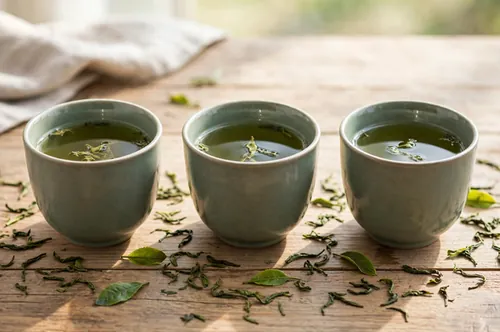
About 2–3 cups a day is the range many trials used and a sensible habit if you tolerate caffeine. No amount has been proven to produce a specific amount of weight loss, so treat it as support for your diet, not the driver of it.
Is matcha better than green tea for weight loss?
Not necessarily. Matcha is made from powdered whole leaves, so its catechin and caffeine content per serving can be higher, but both vary widely and matcha has not been shown to produce greater weight loss. Choose by taste and caffeine tolerance.
When should I drink green tea?
Any time that suits your routine. Drinking it before exercise may affect short-term fat metabolism, but there is no established timing that maximizes long-term weight loss. The most useful moment is whenever it replaces a sugary drink.
Can green tea replace exercise?
No. Any effect is small and uncertain; diet and training do the real work.
Does adding lemon help?
Lemon is fine for flavor. There is insufficient evidence that it increases EGCG absorption in humans or improves weight loss; laboratory findings on catechin stability do not prove an effect in the body.
Are green tea extract pills safe?
Concentrated extracts can pose liver risks, and no universally safe EGCG supplement dose has been established. EFSA found liver-enzyme elevations at supplemental doses of 800mg EGCG/day or more. Ordinary brewed green tea is generally considered safe in customary amounts.
Sources
- Cochrane review of green tea preparations for weight loss and weight maintenance.
- EFSA safety assessment of green tea catechins (supplemental EGCG and liver enzymes).
- EFSA and FDA caffeine guidance; ACOG guidance on caffeine in pregnancy.
- USDA FoodData Central (tea composition).
This article is for general information only, not medical advice. Evidence about concentrated supplements should not be applied to ordinary brewed tea, and vice versa.