Chia Seeds Nutrition
Chia Seeds Nutrition Facts: Calories, Protein, Fiber & Benefits
One ounce of chia seeds provides about 138 calories, 5g of protein, 10g of fiber, and 5g of plant omega-3 (ALA). Here are the facts, the honest weight-loss evidence, and the safe way to eat them.
🌱 See the Facts 🥗 Healthy Foods List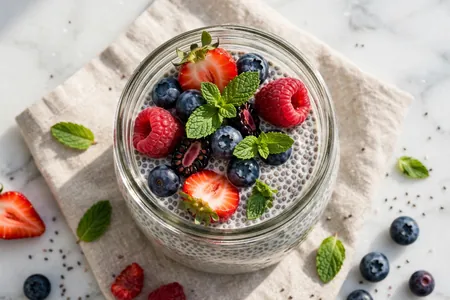
One ounce (28g) of raw chia seeds provides approximately 138 calories, 5g of protein, 10g of fiber, 9g of fat, and 5g of ALA omega-3; values are rounded and vary slightly by product. Chia’s fiber absorbs water and forms a gel, which may contribute to fullness, but small short-term studies report mixed effects on appetite, and longer-term research has not established chia as a weight-loss treatment. Always let chia absorb liquid before eating; do not swallow dry spoonfuls.
Full Chia Seeds Nutrition Facts (USDA, raw, approximate)
| Nutrient | Per 100g | Per oz (28g) |
|---|---|---|
| Calories | 486 kcal | ~138 kcal |
| Protein | ~16.5g | ~5g |
| Carbs | ~42g | ~12g |
| Fiber | ~34g | ~10g |
| Fat | ~31g | ~9g |
| Omega-3 (ALA) | ~18g | ~5g |
| Calcium | 631mg | ~180mg |
| Magnesium | 335mg | ~95mg |
| Iron | 7.7mg | ~2.2mg |
| Zinc | 4.6mg | ~1.3mg |
USDA FoodData Central, raw chia seeds; values are rounded. Chia is dominated by fiber and omega-3s, two nutrients many people under-consume. It contains all nine essential amino acids, though protein quality and limiting amino acids mean it works best as a nutrient-rich addition rather than a primary protein source.
The Gel Effect, Honestly
Chia seeds contain fiber that absorbs water and forms a gel when hydrated (often described as absorbing many times their weight in water; the exact amount varies with conditions). This changes the texture and viscosity of foods and may contribute to fullness. Some studies report improvements in post-meal blood-glucose responses, but effects vary by preparation and meal; chia does not guarantee steady blood sugar or prolonged satiety.
Safety rule: let chia seeds absorb liquid before eating them. Do not swallow a spoonful of dry chia and rely on drinking water afterward; case reports describe esophageal obstruction from dry chia, especially in people with swallowing difficulties. If you have difficulty swallowing or esophageal narrowing, ask your healthcare professional before using chia.
Chia vs Flax vs Hemp (per oz, approximate)
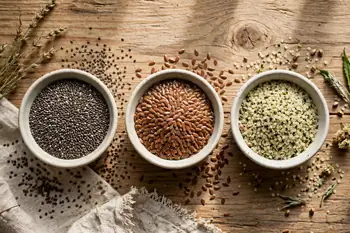
| Per oz (28g) | Chia | Flaxseed | Hulled hemp |
|---|---|---|---|
| Calories | ~138 | ~150 | ~160 |
| Protein | ~5g | ~5g | ~9g |
| Fiber | ~10g | ~8g | ~1g |
| ALA omega-3 | ~5g | ~6g | Lower |
| Calcium | ~180mg | ~70mg | ~20mg |
Chia stands out for fiber and calcium; flaxseed is especially rich in ALA (grinding improves nutrient access); hulled hemp provides more protein per ounce. All three fit a balanced pattern; none is proven to produce superior weight loss.
ALA Omega-3s: What They Do (and Do Not Do)
Chia seeds are an excellent plant source of alpha-linolenic acid (ALA), about 5g per ounce; flaxseed is another exceptionally rich source and generally provides more per ounce. The body converts ALA to EPA and DHA inefficiently, and the rate varies by individual and fatty acid, so chia is not nutritionally equivalent to a direct EPA/DHA source such as fish or algae-based products. People on vegan diets who are concerned about EPA and DHA can discuss algae-based options with a qualified professional.
How to Eat Chia Seeds
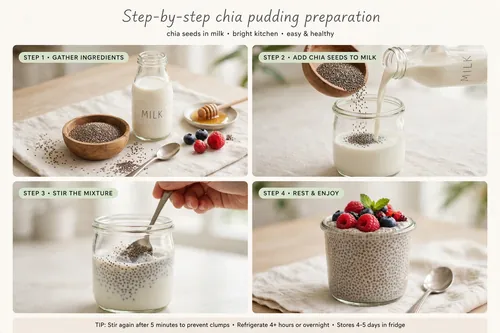
Start with 1 tablespoon daily and build up gradually; jumping straight to high fiber can cause bloating. Two tablespoons is a practical serving size, not an established therapeutic dose; studies have tested different amounts without establishing a dose that reliably controls appetite or improves heart health.
For Weight Loss
Chia seeds provide fiber that may help make meals more filling. However, research on appetite is mixed, and a 12-week randomized trial using 50g of chia daily found no significant weight-loss benefit. Chia can fit into a weight-loss eating pattern, but it does not reliably suppress appetite or burn fat. Its usefulness depends on your overall pattern and portions.
For Weight Gain
Chia is filling, which can work against a calorie surplus, but blended into gainer shakes it largely disappears: 2 tablespoons add about 138 calories, fiber, and ALA without changing the taste much. Use it inside shakes rather than as a separate filling snack when bulking.
For Muscle Building
One ounce provides about 5g of protein along with fiber, minerals, and ALA. It can contribute to total intake, but larger portions of protein-rich foods are more practical for hitting protein targets. Treat chia as a support food, not a protein source; hemp seeds are another option.
Buying and Storage
- Black vs white: broadly similar nutritional profiles; small differences can occur by variety and growing conditions. Color is mostly preference.
- Whole vs ground: whole chia is fine (unlike flax, no grinding needed); the gel forms either way.
- Storage: keep tightly sealed in a cool, dry place away from heat, moisture, and light, and follow the package’s best-before date. Discard seeds with a rancid odor or flavor.
- Quality: look for plump, uniform seeds; avoid dusty or broken lots.
Frequently Asked Questions
How much chia seeds per day?
One to two tablespoons (roughly 12–28g) is a common culinary serving. Start small and increase gradually to limit digestive discomfort, and prepare them with adequate liquid.
Are chia seeds good for weight loss?
They can add fiber to meals and may help with fullness, but research has not established that they reliably reduce appetite or produce weight loss. Overall pattern and portions matter most.
Do I need to grind chia seeds?
No. Unlike flax, whole chia is digested fine and gels either way. Grinding is optional.
Chia vs flaxseed?
Chia provides more fiber and calcium and needs no grinding; flaxseed generally provides slightly more ALA. Both are excellent.
Can I eat chia seeds dry?
It is safer to mix chia thoroughly into liquid or moist food and let it hydrate before eating. Do not swallow a spoonful of dry chia and rely on water afterward. If you have difficulty swallowing or a narrowed esophagus, ask your healthcare professional first.
Do chia seeds have protein?
About 5g per ounce, with all nine essential amino acids. Protein quality depends on amino acid proportions and digestibility, so treat chia as a nutrient-rich addition, not a primary protein source.
Are chia seeds safe every day?
They can be included in a varied diet, and many people tolerate modest servings well. Increase gradually, prepare with enough liquid, and seek medical advice if you have swallowing difficulties or a relevant digestive condition.
Sources
- USDA FoodData Central (raw chia seed entry).
- Randomized trials on chia and satiety (2017 acute yogurt trial; 2023 cookie study) and the 12-week weight-loss RCT (2009).
- NIH Office of Dietary Supplements, Omega-3 Fatty Acids fact sheet (ALA conversion).
- Published case reports on dry chia seed esophageal obstruction.
This article is for general information only, not medical advice.