
Lentils Protein
Lentils Protein: 18g Per Cup, Nutrition Facts & Cooking Guide
Lentils provide about 9g of protein and 8g of fiber per 100g cooked, plus folate and iron, at a very low cost. Here are the full facts, how they compare with other budget proteins, and how to cook them for any goal.
🫘 See the Facts 🥚 Protein Calculator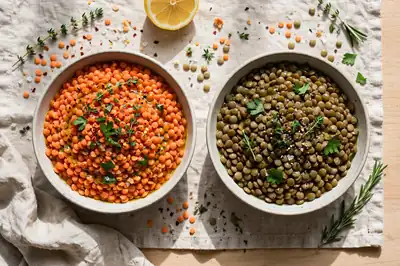
Lentils provide about 9g of protein and 8g of fiber per 100g cooked, or about 18g of protein and 15.6g of fiber per cooked cup (198g), with approximately 230 calories per cup. They are rich in folate and iron, naturally gluten-free, and vegan. Dry lentils can be an inexpensive source of protein: for illustration, a 1kg bag priced at $2 with roughly 250g of protein works out to about $0.20 per 25g of protein; actual prices and yields vary.
Full Lentils Nutrition Facts (USDA, per 100g cooked)
| Nutrient | Amount |
|---|---|
| Calories | 116 kcal |
| Protein | 9g |
| Carbs | 20g |
| Fiber | 8g |
| Fat | 0.4g |
| Iron | 3.3mg (per cup: 6.6mg, ~37% DV) |
| Folate | 181mcg (per cup: 358mcg, ~90% DV) |
| Magnesium | 36mg |
| Potassium | 369mg |
| Zinc | 1.3mg |
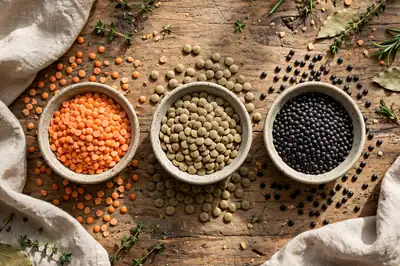
USDA FoodData Central, cooked lentils. Red lentils generally cook quickly and soften into a creamy texture, suiting dal and soups; green, brown, and black lentils often hold their shape better for salads. Cooking times vary by variety and age.
Lentils vs Other Budget Proteins (per 100g cooked)
| Food | Protein /100g | Fiber /100g |
|---|---|---|
| Lentils | 9g | 8g |
| Chickpeas | 9g | 7g |
| Black beans | 9g | 9g |
| Eggs | 13g | 0g |
| Chicken breast | 31g | 0g |
Values are approximate and depend on preparation and product; whey is serving-based and not shown per 100g. Lentils provide substantial fiber alongside plant protein, which can help make a meal more filling, though fullness varies by person and meal. Lentils can offer excellent value, especially bought dry in bulk; compare current local prices per gram of protein.
Lentils and Essential Amino Acids
Lentils contain all nine essential amino acids, although they are relatively low in methionine. Eating lentils with grains such as rice can complement their amino-acid profiles, which is one reason dal-and-rice and beans-and-rice are staples in so many cuisines. You do not need to combine complementary plant proteins in every meal; a varied diet with enough total protein provides the essential amino acids you need across the day. Lentils can contribute to muscle building as part of a diet with sufficient total protein and energy.
How to Cook Lentils (No Soaking Needed)
For Weight Loss
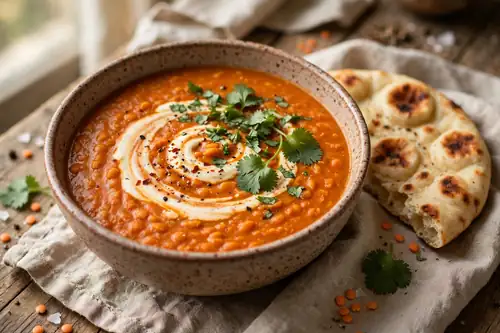
Lentils can be a useful choice for weight management: a cooked cup provides about 18g of protein, 15.6g of fiber, and 230 calories. Protein and fiber can help make meals satisfying, but fullness varies with portion size, preparation, and the rest of the meal. Research suggests pulses may increase feelings of fullness after a meal, though evidence that they consistently reduce calorie intake at the next meal is limited. A bowl of lentil soup can be a filling, nutrient-dense meal; its calories depend on the portion and ingredients such as oil or coconut milk.
For Weight Gain
Lentils can contribute protein, carbohydrates, and fiber to a weight-gain plan. If their fiber makes large portions hard to manage, serve a smaller portion with calorie-dense ingredients such as olive oil, coconut milk, or rice. Total calories depend on portion sizes and the recipe.
For Muscle Building
Two cooked cups of lentils provide about 36g of protein before counting any rice or other foods in the meal. Pairing with grains complements the amino-acid profile, and the total protein and cost depend on your portions and current prices. As with any protein source, what matters most is your total daily intake alongside training.
Buying and Storage
- Dry vs canned: dry lentils are often less expensive per serving, but the difference varies by brand and store. Canned lentils are ready to use; draining and rinsing can reduce sodium, though the amount removed varies by product. Choose no-salt-added options when available.
- Age: older dried lentils may take longer to soften and can sometimes stay firm despite long cooking. Buy from stores with good turnover.
- Storage: dry lentils keep a year or more in an airtight container in a cool, dry place; cooked lentils keep about 5 days refrigerated and freeze well.
- Sprouting: sprouting changes lentils’ nutrient composition, and vitamin C may increase under some conditions; the effect on gas varies. Sprouts can carry harmful bacteria, so cook sprouted lentils thoroughly rather than eating them raw.
Frequently Asked Questions
How much protein is in lentils?
Cooked lentils provide about 9g of protein per 100g, or about 18g per cooked cup (198g). They are a useful plant-based protein source, and dry lentils can be economical bought in bulk.
Are lentils a complete protein?
Lentils contain all nine essential amino acids but are relatively low in methionine. Eating them with grains such as rice can complement their amino-acid profiles, although the foods do not have to be eaten in the same meal.
Are lentils good for weight loss?
They can support weight management because they provide protein and fiber for relatively few calories per cooked cup. Whether they help depends on overall intake, portions, and your broader eating pattern.
Do lentils cause gas?
They can: gut bacteria ferment certain carbohydrates in lentils. Rinse and cook them thoroughly, start with smaller portions, and increase gradually as tolerated. Symptoms may improve over time, but the adjustment period varies from person to person.
Red vs green lentils: which is healthier?
They are very similar nutritionally. Red lentils cook faster and go creamy; green and brown hold their shape. Pick by recipe.
Can I eat lentils every day?
Yes, lentils are a staple food for billions of people. Varying your legumes across the week adds micronutrient variety.
How do lentils compare to meat for protein?
Less protein per 100g, but with fiber that meat lacks, and usually cheaper per gram of protein when bought dry. For muscle building, eat larger portions, pair with grains across the day, and watch your total daily protein.
Sources
- USDA FoodData Central (cooked lentil entry used for the table above); FDA Daily Values for nutrient percentages.
- Peer-reviewed systematic reviews on pulses, satiety, and weight management.
Nutrient values are approximate and depend on the entry and preparation. Prices are estimates and vary by retailer. This article is for general information only, not medical advice.