
Chicken Breast Protein: How Much Per 100g, Raw vs Cooked & Serving Sizes
100g of cooked chicken breast has about 31g of protein and 165 calories; 100g of raw chicken breast has about 23g of protein and 120 calories. Cooking removes mostly water, so the same piece weighs less and tests denser — total protein stays nearly the same (a tiny amount is lost in drippings). A standard 200g cooked serving delivers ~62g of protein. For anyone logging protein daily, the raw-vs-cooked distinction below is the part that matters.
🧮 Protein Calculator 🥗 Healthy Foods List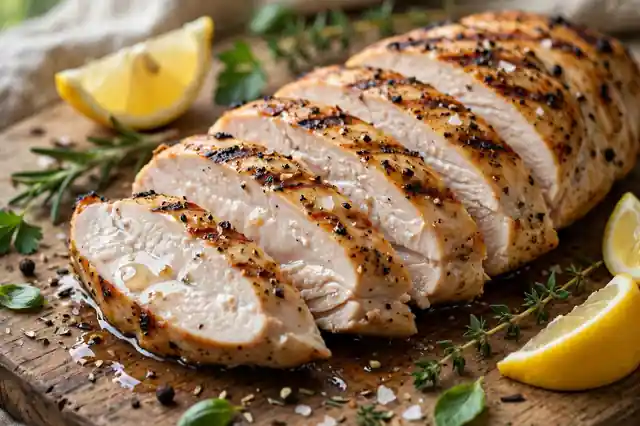
Full Nutrition Facts (USDA FoodData Central, per 100g, boneless skinless)
The table below gives chicken breast protein and the full micronutrient picture per 100g, raw and cooked.
| Nutrient | Cooked (roasted) | Raw | % Daily Value (cooked)* |
|---|---|---|---|
| Calories | 165 kcal | 120 kcal | 8% |
| Protein | 31g | 23g | 62% |
| Total fat | 3.6g | 2.6g | 5% |
| Saturated fat | 1.0g | 0.7g | 5% |
| Carbs | 0g | 0g | 0% |
| Cholesterol | 85mg | 64mg | 28% |
| Sodium | 74mg | 54mg | 3% |
| Potassium | 256mg | 220mg | 7% |
| Niacin (B3) | 14.8mg | 10mg | 92% |
| Vitamin B6 | 0.9mg | 0.7mg | 53% |
| Selenium | 27.6mcg | 17.8mcg | 50% |
| Phosphorus | 220mg | 185mg | 18% |
*Percent Daily Values use the cooked values and standard US reference amounts (based on a 2,000-calorie diet) — general references, not personal targets.
Raw vs Cooked: The Confusion, Settled
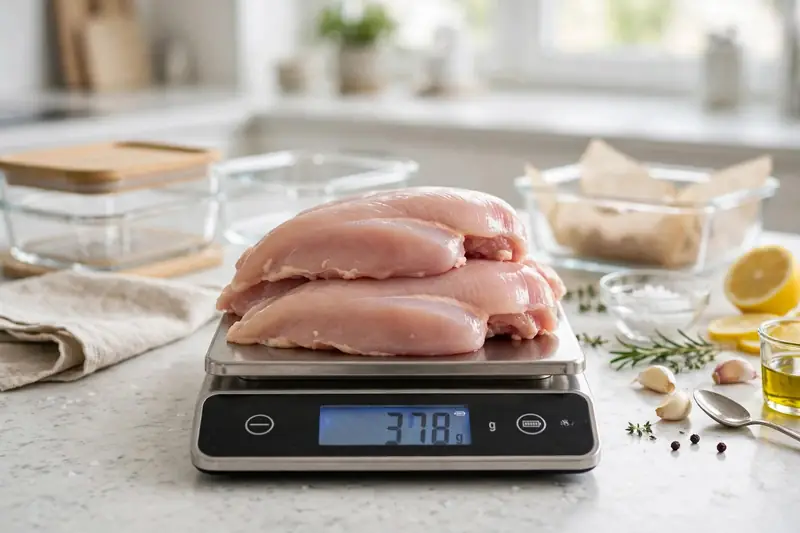
When you weigh 100g of raw chicken breast, it holds ~23g of protein. Cook that piece and it loses water, shrinking to ~70-75g, but nearly all the protein stays in the meat (a small amount can escape in drippings). So 100g of the cooked meat now measures ~31g of protein, because you are weighing more concentrated meat.
The rule for chicken breast protein: track raw at 23g per 100g; weigh after cooking at 31g per 100g. Never mix the two — mixing raw and cooked values is where most tracking errors come from.
Protein by Serving Size
Each row applies to that weight in each state — these are not the same piece of chicken before and after cooking.
| Serving weight | Protein if weighed cooked | Protein if weighed raw | Calories if weighed cooked |
|---|---|---|---|
| 100g (3.5 oz) | 31g | 23g | 165 kcal |
| 150g (5.3 oz, small piece) | 47g | 35g | 248 kcal |
| 200g (7 oz) | 62g | 46g | 330 kcal |
| 250g (8.8 oz, large piece) | 78g | 57g | 413 kcal |
| 300g (10.6 oz) | 93g | 69g | 495 kcal |
A single supermarket breast fillet usually weighs around 150-250g raw (sizes vary), so “one chicken breast” is typically 35-57g of protein before cooking. Those serving sizes are why chicken breast protein is the reference point most meal plans are built around.
How Cooking Method Changes Calories (per 100g)
| Method | Calories | Notes |
|---|---|---|
| Boiled / poached | 155-160 kcal | Leanest; no added fat |
| Grilled (no oil) | 165 kcal | Best flavor-to-calorie ratio |
| Baked (no oil) | 165 kcal | Same as grilled |
| Pan-fried (1 tsp oil) | 185-200 kcal | ~40 kcal per tsp of oil that stays in the food |
| Breaded / fried | 250-300+ kcal | Coating and oil add fast |
These are estimates for 100g of cooked meat — the breast itself is constant; moisture loss and cooking fat move the number. A “healthy grilled chicken” drowned in oil is not the 165-calorie food you logged.
Chicken Breast vs Thigh (per 100g cooked, boneless & skinless)
| Breast | Thigh | |
|---|---|---|
| Calories | 165 kcal | 209 kcal |
| Protein | 31g | 26g |
| Fat | 3.6g | 10.9g |
| Forgiving to overcook? | No, dries fast | Yes, stays juicy |
| Best for | Weight loss, muscle, tracking | Flavor, curries, slow cooking |
Thighs bring more iron and zinc and forgive bad cooking. On protein and fat per 100g, breast comes out ahead. Keep both in rotation.
Is Chicken Breast Healthy?
So is it healthy to eat chicken breast every day? For most people, yes, it is one of the cleanest protein sources you can buy.
Chicken breast is a lean source of complete protein: 31g of protein for 165 calories per 100g, plus about 50% of the Daily Value for selenium and 92% for niacin (standard reference values; personal needs vary). The caveats are preparation (fried breaded chicken is a different food) and variety (rotate with fish, eggs, legumes, and dairy across the week for a full micronutrient spread).
Food Safety and Storage
Cook to 165°F (74°C) internal, measured with a food thermometer in the thickest part — do not rely on color or juices to judge doneness. Refrigerate cooked chicken within 2 hours (within 1 hour if it is above 90°F/32°C) and eat within 3-4 days. Raw chicken keeps 1-2 days in the fridge at 40°F (4°C) or below, and months in the freezer. Do not wash raw chicken — splashing water spreads bacteria to the sink and counters without making the meat safer.
Chicken Breast, By Goal
For Weight Loss
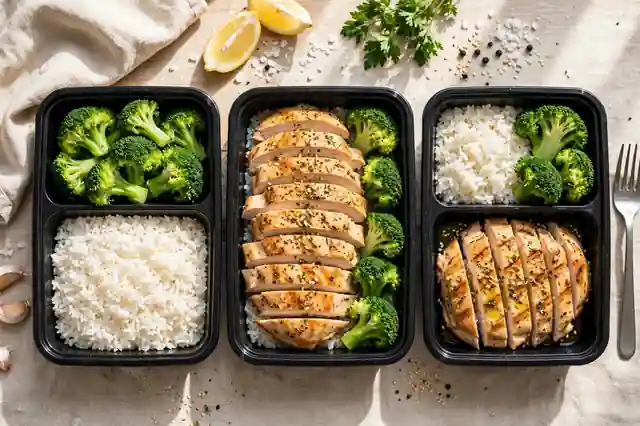
Chicken breast is a weight-loss staple: among the highest protein-per-calorie options you can buy, and protein helps you stay full (though fullness varies by person and meal). A 150g cooked portion (47g protein, 248 cal) with vegetables and a measured carb makes a solid, balanced meal. Grill or bake in batches twice a week; pre-portion so tracking stays honest.
For Weight Gain
The challenge with chicken breast during a bulk is that it is too filling per calorie. Use it as your protein anchor and add calorie-dense sides: rice, pasta, olive oil drizzles, cheese sauces. Shredded chicken in calorie-heavy dishes (enchiladas, pasta bakes, fried rice) gets the protein in without the fullness shutting down the meal.
For Muscle Building
This is the bodybuilder’s staple for a reason: ~62g of complete protein in a 200g serving, including leucine, and very little fat. Few foods deliver this much protein with this little fat in a single serving. Spread intake across 3-4 meals if you can — around 0.3-0.4g of protein per kg per meal is a commonly used target, but total daily intake matters most. A 75kg lifter targeting 150g/day can cover about half of it with one 250g cooked chicken breast (~78g of protein).
Frequently Asked Questions
How much protein is in 4 oz of cooked chicken breast?
About 35g of protein and 187 calories (4 oz = 113g cooked).
How much protein is in an 8 oz chicken breast?
About 70g of protein and 374 calories cooked (8 oz = 227g). The same piece weighs roughly 300g raw (depending on moisture loss), and its protein is similar either way — about 69-70g.
Is 2 chicken breasts enough protein for the day?
Two average cooked breasts (~400g total) deliver ~124g of protein — enough for many people around that size with moderate activity. Needs vary with body weight, activity, and goals, so judge by your total daily intake; larger or very active people may need more from other meals too.
Does cooking destroy protein in chicken?
No. Cooking removes water, which concentrates the protein per 100g. Your chicken breast protein total stays nearly the same — only the weight of the piece changes (a tiny fraction is lost in drippings).
Is chicken breast better raw or cooked for protein tracking?
Neither, just be consistent. Pick raw weights (23g/100g) or cooked weights (31g/100g) and stick with one.
Chicken breast protein is one of the leanest complete proteins you can cook — just match your numbers to the raw or cooked weight you actually used.
Sources
- USDA FoodData Central: Chicken, broilers or fryers, breast, meat only, cooked, roasted; and raw (representative nutrient values).
- USDA FSIS: safe minimum internal cooking temperatures for poultry.
This article is for general information only and is not medical advice. Talk to a registered dietitian or your doctor about your personal nutrition needs.