Broccoli Nutrition: Calories, Protein & How Cooking Changes It
One cup of raw chopped broccoli (91g) has about 31 calories, 2.6g of protein, and 2.4g of fiber, plus 81mg of vitamin C (about 90% of the US Daily Value). Broccoli provides fiber, vitamin C, vitamin K, and other nutrients. It also contains glucoraphanin, which can form sulforaphane when you chop or chew it. Cooking method matters: boiling can leach vitamin C into the water, while short cooking with little water helps preserve it.
🧮 Calorie Calculator 🥗 Healthy Foods List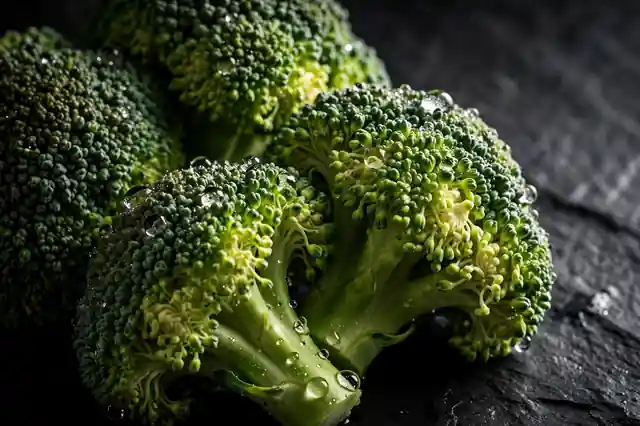
Full Nutrition Facts (USDA FoodData Central)
Values from USDA FoodData Central. They are representative entries for raw and boiled-drained broccoli; values vary with variety and preparation, and raw vs cooked figures describe different food states.
| Nutrient | Per 100g raw | Per 100g cooked (boiled) | Per cup raw (91g) |
|---|---|---|---|
| Calories | 34 kcal | 35 kcal | 31 kcal |
| Protein | 2.8g | 2.4g | 2.6g |
| Total fat | 0.4g | 0.4g | 0.4g |
| Carbohydrates | 6.6g | 7.2g | 6.0g |
| Fiber | 2.6g | 3.3g | 2.4g |
| Sugars | 1.7g | 1.8g | 1.5g |
| Vitamin C | 89mg | 41mg | 81mg |
| Vitamin K | 102mcg | 141mcg | 93mcg |
| Folate | 63mcg | 57mcg | 57mcg |
| Potassium | 316mg | 229mg | 288mg |
| Vitamin A | 31mcg | 60mcg | 28mcg |
| Calcium | 47mg | 40mg | 43mg |
| Iron | 0.7mg | 0.7mg | 0.7mg |
Boiling can cut vitamin C substantially — in the USDA entries here, the boiled value is about half the raw one — because vitamin C is lost to heat and leaches into the water. Raw and cooked figures are separate food states (water content changes too), so read them as representative values, not a lab retention test.
How Cooking Changes Broccoli Nutrition
| Method | Vitamin C retention | Sulforaphane | Texture |
|---|---|---|---|
| Raw | No cooking loss | Maximum (chewing activates it) | Crunchy |
| Steamed 3-4 min | Retains well | High | Tender-crisp |
| Microwaved (little water) | Retains well | High | Tender |
| Stir-fried | Varies with heat & time | Medium | Crisp-tender |
| Boiled 5+ min | Most loss (into the water) | Low | Soft, waterlogged |
| Roasted | Varies with temp & time | Medium | Crispy edges, sweet |
In general: less water, less time, more nutrients kept. Brief steaming (3-4 minutes) is the practical sweet spot — bright green and tender-crisp — though exact retention depends on conditions. If you boil, use the cooking water in soups or sauces to reclaim the leached vitamins. Chop broccoli before cooking: cutting lets the myrosinase enzyme start converting glucoraphanin. Letting chopped broccoli stand before a brief cook may help formation — no specific waiting time guarantees a result. (Retention and sulforaphane levels vary with exact time, temperature, and water — treat this table as a guide, not measurements.)
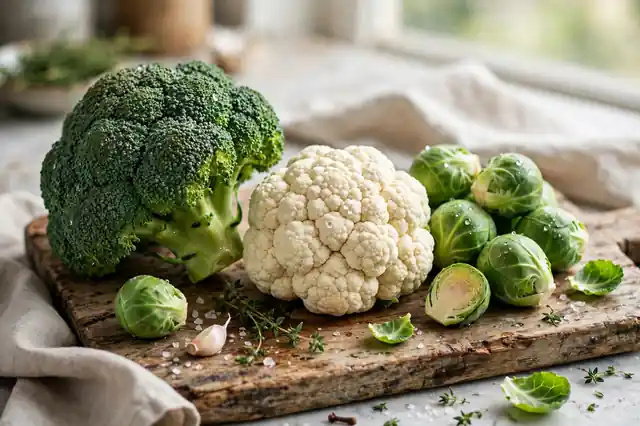
Broccoli vs Cauliflower vs Brussels Sprouts (per 100g raw)
| Broccoli | Cauliflower | Brussels sprouts | |
|---|---|---|---|
| Calories | 34 kcal | 25 kcal | 43 kcal |
| Protein | 2.8g | 1.9g | 3.4g |
| Fiber | 2.6g | 2.0g | 3.8g |
| Vitamin C | 89mg | 48mg | 85mg |
| Vitamin K | 102mcg | 16mcg | 177mcg |
| Sulforaphane potential | High | Low | Medium |
In this comparison, broccoli has the highest listed vitamin C, while Brussels sprouts provide more protein and fiber; cauliflower is the lowest-calorie option. All three are crucifers studied for their plant compounds — rotate them rather than declaring one winner.
Sulforaphane: Broccoli’s Signature Compound
Sulforaphane is a naturally occurring compound studied for its biological effects, including pathways related to inflammation and cancer. Much of the evidence comes from laboratory and animal research; human studies are still investigating. Broccoli contains glucoraphanin, a precursor that the enzyme myrosinase can convert into sulforaphane when the tissue is cut or chewed. Heating reduces myrosinase activity, so raw broccoli and some lightly cooked preparations support this conversion better — the amount varies.
What does the research say? Laboratory and animal studies have investigated sulforaphane’s effects, and human studies are exploring its potential. These findings do not establish that eating broccoli prevents or treats cancer or extends lifespan — broccoli earns its place through its overall nutrient package: fiber, vitamin C, vitamin K, and more. Broccoli sprouts can contain substantially more glucoraphanin (the precursor) than mature heads, though amounts vary with growing conditions.
Practical takeaway: eat some broccoli raw (in salads or with dip), or chop it before cooking and let it stand a while. That habit supports sulforaphane formation for zero extra effort — how much forms varies.
6 Health Benefits
1. Immune support: 89mg of vitamin C per 100g raw. Vitamin C supports normal immune function, and broccoli is an efficient way to cover much of your daily need.
2. Bone health: 102mcg of vitamin K per 100g supports bone mineralization, plus calcium and magnesium.
3. Heart health: Broccoli provides fiber and potassium, nutrients that support cardiovascular health as part of a balanced diet; sulforaphane’s specific heart effects in humans remain under study.
4. Eye health: Lutein and zeaxanthin (carotenoids in broccoli) support eye health.
5. Gut health: Broccoli provides dietary fiber, which gut microbes can ferment — effects vary by person.
6. Anti-inflammatory: Sulforaphane and vitamin C have shown anti-inflammatory activity in lab research — that does not prove the same effect from eating broccoli.
The Downsides (Honest Section)
No food is perfect, and broccoli has real caveats:
- Thyroid: Broccoli and other crucifers contain compounds that can affect iodine use in some circumstances. For most people with adequate iodine intake, normal servings are not generally a concern; very large quantities of raw crucifers, especially with low iodine intake, are a different situation. People with thyroid conditions planning major dietary changes should ask their doctor.
- Blood thinners: Broccoli’s vitamin K can affect how warfarin works. If you take warfarin, keep your vitamin K intake reasonably consistent (not necessarily zero), tell your doctor about big dietary changes, and never adjust your dose on your own.
- Gas and bloating: Broccoli contains fiber and fermentable carbohydrates that can cause gas in some people. Start with small portions if you are not used to crucifers and increase gradually; cooking may improve tolerance, though effects vary.
- Pesticides: Residues vary by crop and testing program. Rinse broccoli thoroughly under running water before use — washing removes dirt and some surface residues, not all of them.
Buying, Storing, and Prepping
- Pick tight, dark-green florets with firm stalks. Yellowing means age and nutrient loss.
- Refrigerate unwashed in a loose bag, lasts 4-5 days. Wash right before use.
- Do not overcook. Bright green = nutrients intact. Olive-drab = you went too far.
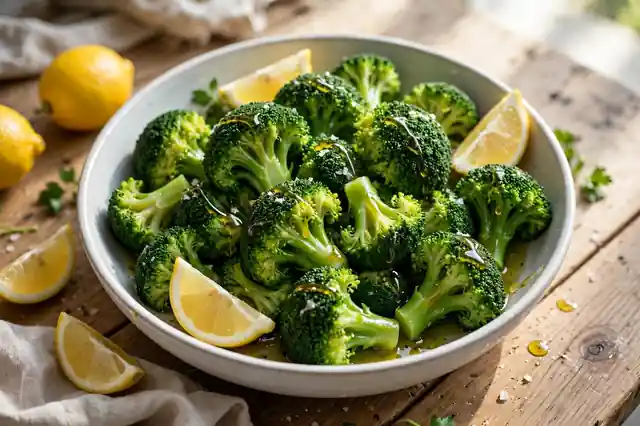
- Use the stalks. Peeled and sliced, they are sweet and tender, most of the stalk’s nutrition matches the florets.
- Frozen broccoli is a nutritious, convenient option, frozen close to harvest. Blanching before freezing can reduce some nutrients and enzyme activity, while “fresh” heads lose vitamins in transit — neither is universally better.
Broccoli, By Goal
For Weight Loss
Broccoli is a weight-loss workhorse: 34 calories per 100g, real fiber, and enough volume to fill half your plate. Broccoli can be a useful weight-loss food: low in calories, with fiber and water that add volume and help meals feel filling (fullness varies by person and meal). Steam a big bowl (200g = ~68 calories on raw values), season with salt, lemon, and a teaspoon of olive oil, and eat it before your main course — starting this way may help you eat less afterward, though it does not guarantee it. Raw broccoli with hummus makes a convenient, fiber-rich snack; total calories depend on the hummus portion.
For Weight Gain
Broccoli will not build your surplus, it is too filling per calorie. But it earns its place in a weight-gain diet as the nutrient anchor: roast it in generous olive oil (one tablespoon of olive oil adds ~120 calories), top with cheese sauce, or stir-fry with cashews and sesame oil. The goal is keeping micronutrients high while calories climb elsewhere. Serve it alongside calorie-dense mains (pasta, rice bowls, curries) rather than as the centerpiece. Pair with the calorie calculator to keep the surplus on target.
For Muscle Building
Broccoli complements a muscle-building diet: some protein (2.8g per 100g raw), vitamin C (needed to make collagen), vitamin K, and fiber. Using raw values as a rough guide, 300g provides ~8.4g of protein for ~100 calories — a contributor inside a high-protein meal, not the main protein source. The classic bodybuilding plate (chicken breast + rice + broccoli) exists because it works: protein, carbs, and micronutrients in one simple formula.
Frequently Asked Questions
How much protein is in one cup of broccoli?
One cup of raw chopped broccoli (91g) has 2.6g of protein. A cup of cooked broccoli (156g) provides about 3.7g — a useful contribution for a vegetable, best paired with a protein-rich food.
Is broccoli healthier raw or cooked?
Raw broccoli avoids cooking losses and keeps its enzymes active. Lightly steamed broccoli keeps much of its vitamin C with better texture and digestibility. Boiling loses the most vitamin C into the water.
Does cooking destroy sulforaphane?
Prolonged high heat reduces it, by deactivating the myrosinase enzyme. Chopping broccoli before cooking gives the enzyme time to act first; brief cooking preserves more than long boiling.
Is broccoli good for weight loss?
Broccoli can fit well into a weight-loss pattern: 34 calories per 100g with fiber and volume that help meals feel satisfying.
Can you eat broccoli every day?
Yes, most people can eat broccoli daily as part of a varied diet. People taking warfarin should keep vitamin K intake consistent and discuss big dietary changes with their doctor. People with thyroid conditions concerned about very large amounts of raw crucifers should seek individualized advice rather than avoiding broccoli outright.
Does broccoli cause gas?
It can — broccoli contains fiber and fermentable carbohydrates. Smaller portions, thorough cooking, and building up gradually all help.
Is frozen broccoli as healthy as fresh?
Frozen broccoli can be just as nutritious as fresh, though individual nutrients vary with processing and storage.
Broccoli nutrition is a fiber, vitamin C, and vitamin K package — steam it briefly, chop before cooking, and rotate with the other crucifers.
Sources
- USDA FoodData Central: Broccoli, raw and cooked, boiled, drained (representative nutrient values).
- NIH Office of Dietary Supplements: Vitamin C and Vitamin K fact sheets.
This article is for general information only and is not medical advice. Talk to a registered dietitian or your doctor about your personal nutrition needs.